Blog
Why Mental Preparedness Matters More Than Most People Realize
Building mental readiness to improve decision-making during disruptions.

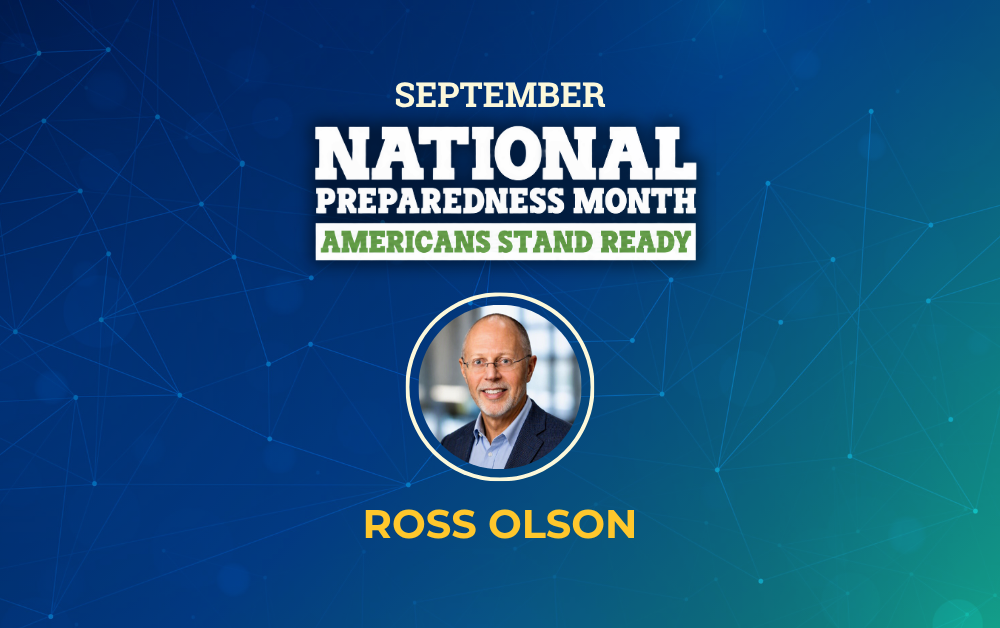
Every September, National Preparedness Month reminds us to check our emergency kits, review communication plans, update insurance information, and make sure we’re ready for whatever might come our way.
Those are all important steps. But after years of working in business continuity, crisis management, and operational resilience, I’ve noticed something interesting. Organizations often invest time developing plans, yet when disruptions occur, success is frequently determined by something much harder to document:
Mental Preparedness
It’s the ability to remain calm, think clearly, and make decisions when things don’t go according to plan.
I’ve seen organizations with detailed continuity plans struggle during a disruption, and I’ve seen others with far less documentation respond incredibly well. The difference often isn’t the plan itself, but it’s how people react when uncertainty shows up.
To put this in perspective, I worked with an organization whose continuity plans hadn’t been updated in several years. When a natural disaster disrupted operations, teams duplicated response efforts, coordination suffered, and response costs escalated quickly. As the disruption unfolded, it became clear that many people were unprepared for the uncertainty and pressure that came with it.
While mental preparedness isn’t something you can stock on a shelf, it can be developed. Here are a few simple habits that can help build that capability before the next disruption occurs.
The First Few Hours Are Usually Messy
One thing I’ve learned from real incidents and tabletop exercises is that disruptions rarely begin with complete information. A severe storm doesn’t arrive with a complete status report. A cyberattack doesn’t come with a guidebook explaining exactly what’s happening. A power outage, public health emergency, or major operational disruption usually starts with questions, confusion, and incomplete information.
Employees immediately start asking:
- How serious is this?
- What information is correct?
- What should I do?
- Who needs to know?
- How long will this last?
In those moments, nobody gets to pause the situation while they research best practices or study procedures. The opportunity to prepare happened before the disruption occurred through planning, training, and exercises. When an event unfolds, people respond based on their preparation, experience, and ability to think clearly under pressure. That’s why mental preparedness matters. It helps individuals make sound decisions and adapt even when the path forward isn’t immediately clear.
It’s Not About Expecting the Worst
When I talk about mental preparedness, some may assume I’m talking about a doomsday event.
I’m not. To me, mental preparedness means accepting that disruptions happen and recognizing that you probably won’t have all the answers immediately. Most importantly, it means being comfortable asking yourself:
“How will I respond if things don’t go according to plan?”
That question changes the conversation. Instead of focusing solely on what might happen, it focuses on how you’ll react when it does.
Why Exercises Matter
One of my favorite parts of facilitating tabletop exercises is watching teams work through difficult situations together. Interestingly, the most valuable takeaway is rarely the written plan. It’s the discussion. It’s the moment when leaders realize they’re dealing with conflicting information. It’s the debate over priorities. It’s the experience of making decisions when there isn’t a perfect answer available.
Organizations don’t conduct exercises because they expect every scenario to occur. They conduct them because decision-making under pressure is a skill that improves with practice.
The same principle applies to personal preparedness. You don’t mentally prepare because you know exactly what will happen. You prepare because uncertainty is a normal part of life.
Building Mental Preparedness
A few simple habits can make a difference in building mental preparedness.
Think Through “What If” Scenarios
Consider realistic disruptions that might affect your family, workplace, or community:
- How will I communicate if my normal modes are inoperable?
- Am I prepared to live without power for several days?
- How will I access my data if critical systems suddenly become inaccessible?
You don’t need perfect answers. The value comes from thinking through the possibilities before you’re forced to respond to them.
Practice Carrying Out Your Preparations
Many people prepare supplies but never think about the decisions they’ll need to make.
- Talk through scenarios with family members or colleagues.
- Discuss responsibilities and how they would work in practice.
- Consider how priorities might change as conditions evolve.
The first time you’re making an important decision shouldn’t be during the emergency itself.
Get Comfortable with Imperfect Information
Mental preparedness also supports personal well-being during a disruption. When people have already considered potential scenarios and thought through their response, uncertainty feels less overwhelming. They may not have all the answers, but they have a framework for moving forward. That confidence can reduce stress and help people remain focused when situations are changing rapidly.
One lesson that shows up during a disruptive event is that information arrives in bits and pieces. Waiting for complete and accurate information is rarely an option. Those who are mentally prepared learn to make informed decisions with the information available at the time. It’s equally important to remain flexible and adjust course as new information emerges.
Focus on What You Can Control
When people become overwhelmed during a disruption, it’s often because they’re focused on things they can’t influence. Mental preparedness encourages a different approach.
Ask yourself:
- What can I do right now?
- What information do I need next?
- Who do I need to communicate with?
Small actions create momentum, and momentum helps reduce uncertainty.
Preparedness Is More Than a Kit
National Preparedness Month is a reminder that preparedness is more than what we store in a closet or document in a plan. It’s also about how we think, communicate, and make decisions when conditions are uncertain.
Because when disruption occurs, the people who respond rarely have perfect information. They rarely have unlimited time. And they rarely have all the answers.
What they do have is their preparation, their judgment, and their mindset. That’s one reason I believe exercises are so valuable. They build the confidence and decision-making skills needed when conditions are uncertain.
And in my experience, that’s often what makes the difference between simply having a plan and successfully carrying it out.